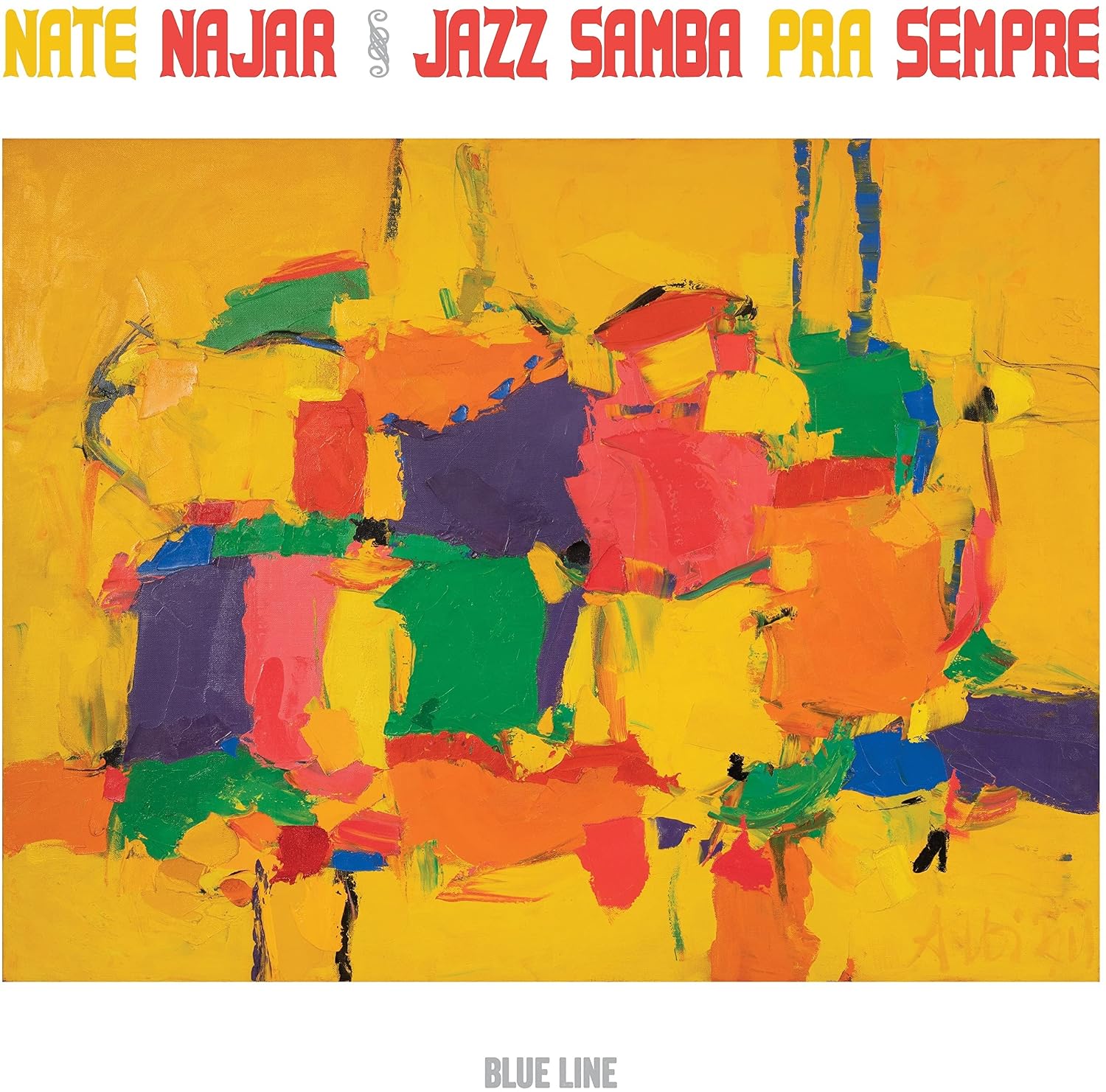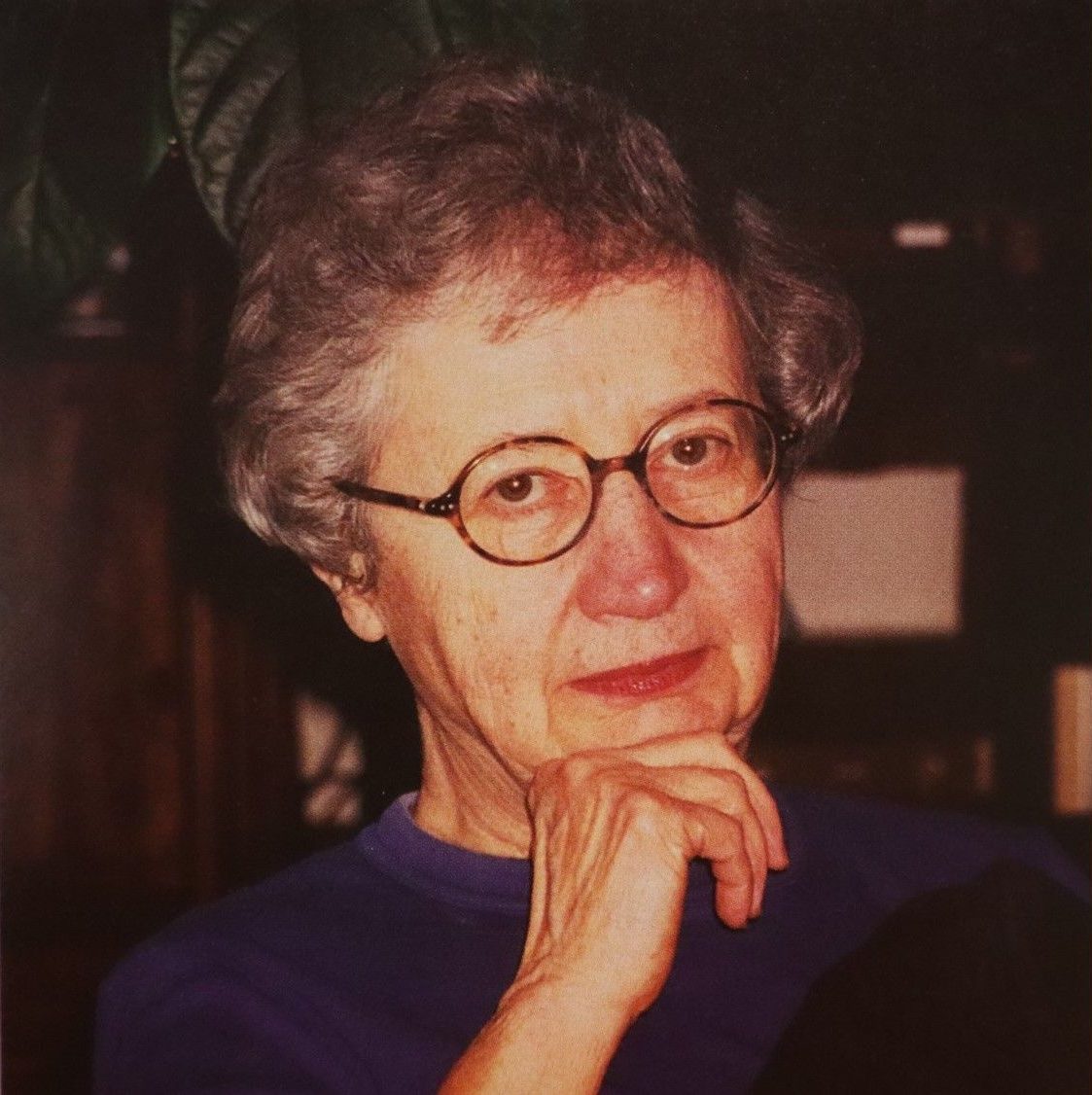
Born in Ponce, Puerto Rico, Olga Albizu (1924–2005) stands among the pioneering figures of Puerto Rican Abstract Expressionism. Celebrated for her masterful use of color, expressive brushwork, and lyrical abstraction, she developed a distinctive artistic language that secured her place in twentieth-century modern art.
Albizu studied painting in Puerto Rico under renowned Spanish painter Esteban Vicente before continuing her artistic training in New York in 1948, where she encountered influential abstract artists, including Hans Hofmann, Morris Kantor, Carl Holty, and Vaclav Vytlacil. Her studies later took her to Paris and Florence, further enriching her artistic vision.
Her international recognition expanded through exhibitions in the United States, Puerto Rico, Mexico, and Germany. Her paintings also appeared on album covers released by RCA and Verve Records, featuring recordings by the Boston Symphony Orchestra, Bill Evans Trio, and Rod Levitt Orchestra, as well as the celebrated Getz/Gilberto (1964).
Albizu’s works are represented in important museum and institutional collections, and her artistic contributions have been documented in notable publications, including Famous Hispanic Americans in the Humanities: 20th Century, The Latin American Spirit: Art and Artists in the United States, and Art Heritage of Puerto Rico, associated with the Metropolitan Museum of Art.
Her original paintings have also been offered at leading international auction houses, including Christie’s and Sotheby’s New York, reflecting her recognition within the international art market.
Olga Albizu passed away in New York in 2005, leaving behind a remarkable artistic legacy. Today, her work continues to resonate with collectors and art institutions worldwide, distinguished by her extraordinary exploration of color, expressive energy, and enduring contribution to Puerto Rican and international modern abstraction.